Recycling in the construction industry
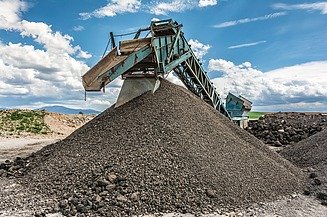
roxit stands for recycling in the construction sector, combining environmental responsibility with technical excellence. Our goal is to reduce the environmental impact of building materials and to counteract the shortage of raw materials. We view the circular economy as a strategic extension of our expertise in raw materials and building materials. In doing so, we support construction companies, public sector clients, industrial and infrastructure operators, as well as property owners and developers, in conserving resources, closing material loops and increasing the recycling rate of construction waste.
Reducing environmental impact, counteracting raw material shortages
Through cost-effective construction waste management and environmental remediation, we recover higher-value material streams and return them to the building materials production process as secondary raw materials. Innovative recycling processes increase material recovery and reduce the need for landfill capacity. Our service portfolio is supported by innovative recycling processes, certified recycled materials, a network of recycling facilities and efficient logistics expertise.
Key areas of focus are:
- Use of raw materials: increasing recycling rates and expanding the use of secondary raw materials
- Landfill: disposal of a range of mineral waste materials
- Recycling: manufacture of various recycled products
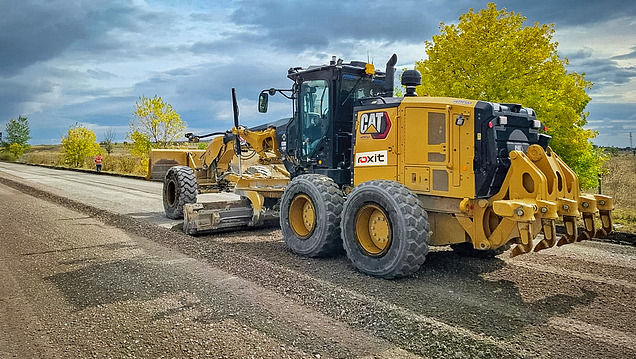
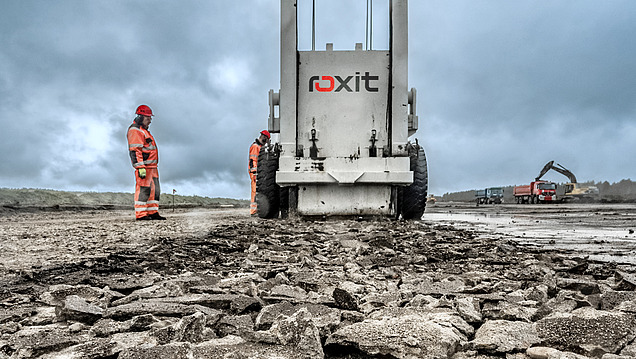
- Specialised technologies: cold recycling in road rehabilitation
Circular economy at roxit
At multiple sites in selected countries, we provide sustainable solutions across the recycling value chain.
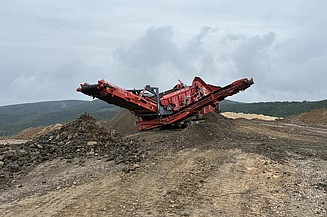
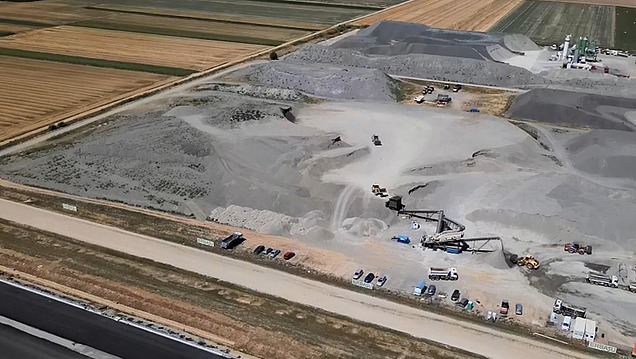
Gaaden quarry, Austria
- Land restoration
- Acceptance and processing of excavated soil
- Production of recycled aggregates and substrates
Recycling centre in Hradec Králové, Czech Republic
- 3 sites for recycling construction waste and excavated soil
- On-site recycling capacity of up to 150,000 t/a
Our partners
roxit has a strong network of partners and works with a variety of specialised companies, including KAB in asphalt milling, TPA for expert reports and testing, and, in project business, the STRABAG companies specialising in construction services. Based on these partnerships, roxit supports construction companies, public sector clients and industrial partners in implementing sustainable construction projects and developing circular value chains in the construction sector.
Key benefits of roxit’s recycling services for the construction industry
By integrating recycling into the construction industry, roxit contributes to conserving resources and ensures that projects are both technically reliable and economically efficient. To achieve this, we rely on circular economy principles and innovative technologies that combine environmental requirements with high execution quality.
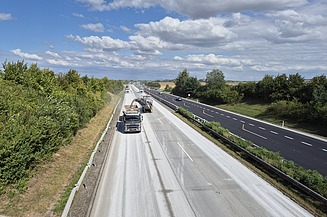
Recycling mineral building materials: the circular economy in practice
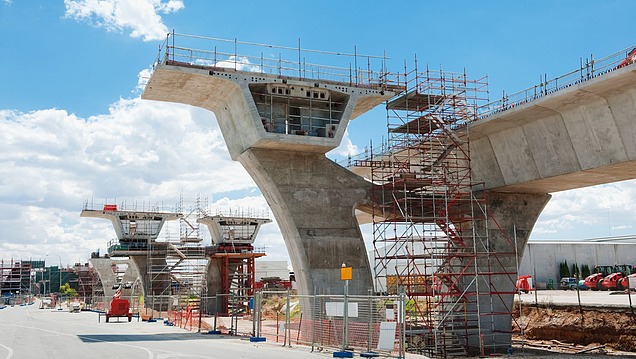
We selectively use mineral construction and demolition materials, such as concrete rubble, milled asphalt and excavated soil, for resource-efficient rehabilitation. Modern crushing and screening technology, stationary and mobile plants, and quality-assured processes enable environmentally friendly recycling processes. With this approach, we increase the share of secondary raw materials and reduce transport distances and CO₂ emissions – a key component of the circular economy.
Cold recycling for low-carbon and cost-effective road rehabilitation
Cold recycling is one of the most efficient methods for sustainably rehabilitating roads while conserving valuable resources. Unlike conventional asphalt resurfacing, the existing material is reused without being heated. This reduces energy consumption, lowers emissions and significantly shortens construction times. roxit is already successfully applying this technology in multiple countries and is working to expand its use on an international scale.
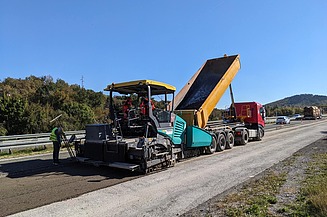
What is cold recycling?
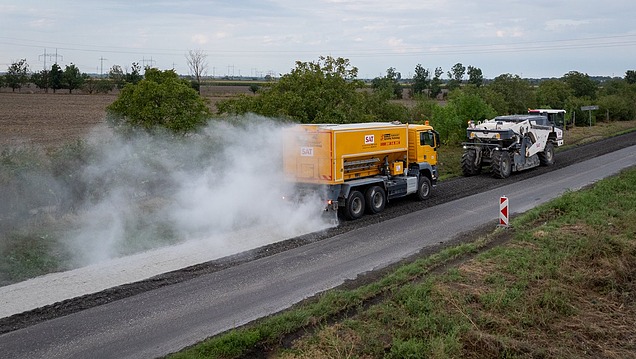
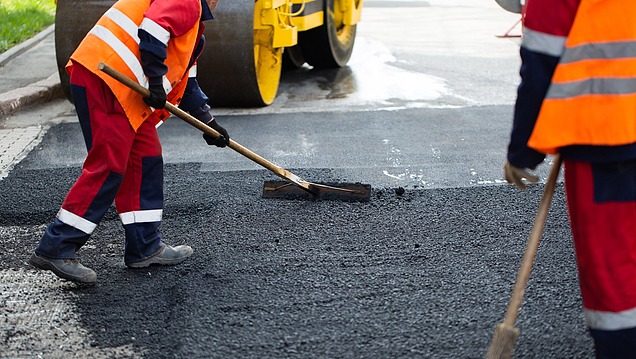
In cold recycling, the damaged road surface is milled off, crushed to a specific size, mixed with a suitable binder (such as bitumen emulsion, foamed bitumen or cement) and immediately placed back down. The process does not involve any heat and allows the existing road layers to be reused. This significantly reduces the need for new raw materials such as aggregate and bitumen.
In situ and in plant: two approaches to sustainable road rehabilitation
There are two methods of sustainable road rehabilitation: in situ and in plant.
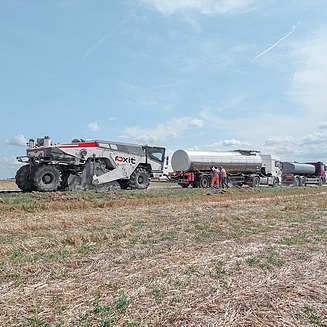
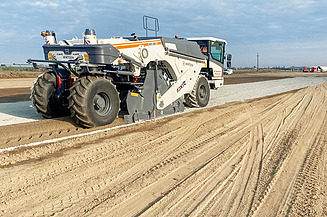
In in-situ rehabilitation, all work steps are carried out in a single operation directly on-site: milling, mixing, compaction and the addition or incorporation of binding agents.
Advantages:
- Ideal for country roads and secondary roads
- Flexible construction processes
- In suitable cases, full road closure is not required
- Short construction times
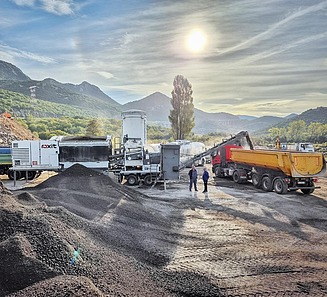
In-plant rehabilitation involves milling off the damaged road surface, transporting it to a nearby mixing plant for processing, and then returning it to the construction site for placement.
Advantages:
- Precise control of material composition
- Ability to meet high quality standards
- Particularly suitable for motorways and expressways
Both methods provide a cost-efficient, resource-saving and technically high-quality way to renew road structures.
Why cold recycling is so efficient
Cold recycling is one of the most efficient methods of road rehabilitation for several reasons:
- No heating required: significantly lower energy consumption
- Fewer transports: materials remain on site, eliminating the need for landfill trips
- Resource-conserving: existing pavement layers are largely reused
- CO₂ reduction: compared to conventional asphalt paving, cold recycling can significantly reduce the carbon footprint
- Cost-effective: lower material and logistics costs, shorter construction times
Cold recycling therefore offers a compelling solution for renewing road infrastructure quickly, cost-effectively and with a significantly reduced environmental impact.
Costs and economic viability of recycling processes
The costs of recycling services always depend on the specific project parameters. Key factors include material quantities, logistics, site area, quality requirements and local conditions. Because many processes are based on reusing existing materials and reduce transport needs, they often offer economic advantages over conventional construction methods. For each project, we prepare a transparent, technically sound cost calculation that takes into account planned work steps, material flows and quality parameters.
What makes roxit unique in the market?
The transition from linear construction towards a circular economy is fundamentally reshaping construction processes. The processing of construction waste and the targeted management of material flows are becoming increasingly important – not only due to regulatory requirements but also in response to increasingly scarce resources. roxit focuses on the technical implementation of these requirements: from properly processing mineral materials to recycling solutions and landfill management. Our focus is on practical, cost-effective solutions along the entire material cycle. In addition, we are strategically expanding our portfolio to include sustainable building materials, for example eco-friendly insulation materials such as hemp. This allows us to combine recycling with resource-efficient construction and take an integrated approach to the circular economy – from raw material extraction and processing through to reuse.
Working together to deliver sustainable solutions for your project
We support you in realising your project with our recycling solutions. Please contact us for an assessment or a no-obligation quote.
Request a consultationFrequently asked questions (FAQ) about recycling
-
Which materials can be taken to landfill sites or recycling centres?
Acceptance depends on the specific site and national waste legislation. Typical materials include excavated soil, mineral construction waste, concrete rubble and asphalt millings. Hazardous waste requires separate declarations.
-
What do current recycling requirements mean for my construction project?
At EU level, tighter landfill restrictions are being prepared for implementation in 2030. For construction companies, this means that waste disposal routes must be planned early, material flows documented and proof of recycling provided. roxit supports clients in meeting these requirements with its recycling solutions.
-
How long does cold recycling take on a typical road section?
Duration depends significantly on the method used, layer thickness, site logistics and local conditions. As a guideline, around 3,000 m² can be covered per day.
-
Which source materials can be recycled?
Both asphalt-bound and unbound layers can be recycled. The final product can be either unbound or bound – depending on binder selection and project specifications.
-
What are the main advantages of cold recycling over conventional methods?
Cold recycling reuses materials already present on site. This reduces material consumption, transport requirements, construction times and costs while delivering clear environmental benefits.
-
Can cold recycling be performed under live traffic conditions?
Yes, in most cases. In-situ cold recycling, in particular, allows for short road closures or partial lane traffic operations. This helps minimise disruption for local residents and road users.