Sustainability
The climate crisis is one of the greatest challenges of our time: the construction industry accounts for 38 per cent of global greenhouse gas emissions. As a leading construction technology group, we take our responsibility seriously. We build with and for people, want to be part of the solution and create real change. This means less impact on the environment and more benefit for society. We take a holistic view of sustainability and derive new ways of working.
More about ESG management at STRABAG
Our sustainability strategy covers the areas of the environment, social responsibility and sustainable corporate governance:
-
Environment
We are following a clear plan to reduce our emissions and drive progress in the areas of circular economy, biodiversity, and ecosystems.
-
Social responsibility
We promote the well-being of our employees, implement measures to protect human rights along the entire value chain and constantly strive to create added value for society.
-
Sustainable corporate governance
We take measures to always act with integrity. To this end, we define responsibilities and establish clear processes for fair competition and sustainable corporate governance.
Work On Progress
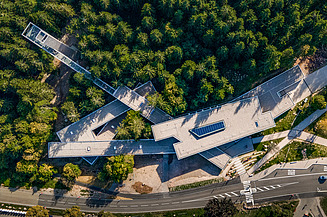
At STRABAG, we don't just talk, we take action. Through our projects and together with strong partners, we contribute to sustainable construction and develop innovative technologies together with strong partners. Our Work On Progress website highlights specific projects to show our progress.
roxit: your partner for sustainability and innovation in the construction industry
As part of STRABAG, roxit is actively committed to decarbonising the construction industry. Our holistic sustainability strategy focuses on reducing emissions and developing forward-looking technologies that benefit both the environment and society.
Innovative building materials and products to meet the demands of tomorrow
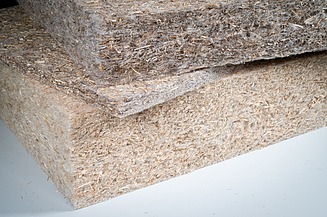
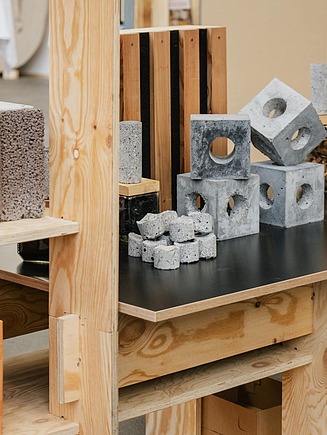
roxit focuses on innovative building materials to minimise the environmental footprint and promote the circular economy. Our portfolio includes hemp- and flax-based insulating materials for future-oriented construction projects as well as timber construction and acoustic systems designed to optimise indoor climate quality. With these sustainable building systems, we contribute to CO₂ reduction in the construction industry.
Circular economy at roxit
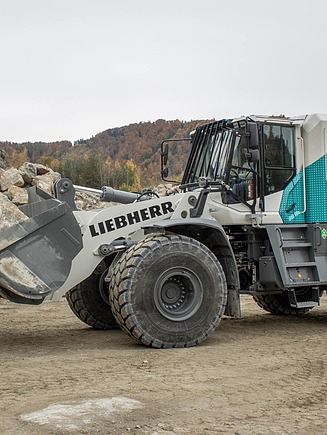
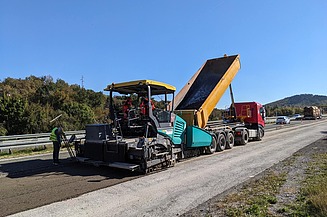
roxit understands the circular economy in the construction industry as the integration of ecological responsibility with technical performance to enable economically efficient reductions in environmental impact. In the context of raw and building materials essential for construction, roxit provides support by increasing recycling rates and the reuse of secondary raw materials. A key technology within the circular economy is cold recycling, a low-CO₂ and economical on-site road rehabilitation method that eliminates the need for energy-intensive reheating in stationary asphalt mixing plants. This reduces transport routes, emissions and timelines for the benefit of the client and the environment. Solutions like these conserve resources while ensuring that construction projects remain technically and economically feasible.